
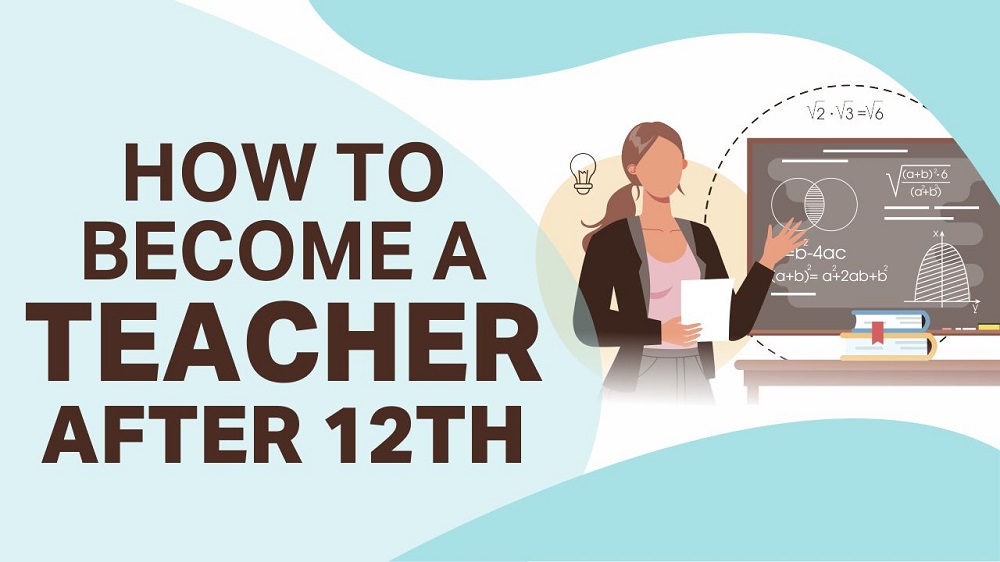
If you’re planning a stable, respected, and impactful career, becoming a teacher in India is a great choice. With a growing demand for trained educators, both public and private institutions are constantly looking for qualified professionals. This guide gives you a complete roadmap on how to become teacher India, covering eligibility, teaching courses, qualifications, exams, and career pathways.
Why Choose Teaching as a Career in India?
Teaching is more than a profession—it’s a responsibility to shape future generations. India’s education sector is expanding rapidly, creating opportunities in schools, junior colleges, coaching centres, and online learning platforms.
While job security and growth are major advantages, the satisfaction of helping students learn and progress is the biggest reward. As long as you meet the teacher eligibility criteria and complete the required qualifications, you can build a long-term career in this field.

Eligibility Criteria to Become a Teacher in India
The teacher eligibility requirements vary based on the level you want to teach:
For Primary Classes (1–5):
- Complete 12th with at least 50% marks
- Finish D.El.Ed, or a four-year ITEP program
- Qualify for CTET or relevant TET exam
For Upper Primary Classes (6–8):
- Graduation in any stream
- Completion of D.El.Ed. or B.Ed.
- Clear CTET or state-level TET
For Secondary & Higher Secondary Schools:
- Graduation or Post-graduation in the relevant subject
- B.Ed. or M.Ed. required
- Additional eligibility tests (TGT, PGT, KVS, DSSSB, etc.)
These pathways ensure schools recruit only trained, qualified, and skilled teachers.
Pathways to Become a Teacher After 12th
There are multiple ways to start your teaching journey right after completing your higher secondary education.
Option 1 – Integrated Teacher Education Program (ITEP)
This is a four-year professional course approved by NCTE. It combines a bachelor’s degree with a teaching qualification.
Why choose ITEP?
- Reduces the total duration
- Provides practical classroom training
- Ideal for students who want to start early
This is one of the best teaching courses after 12th for aspiring educators.
Option 2 – Diploma in Elementary Education (D.El.Ed.)
This two-year diploma prepares you to teach at the primary level.
Highlights:
- Focus on child psychology
- Teaching-learning methods
- Hands-on classroom experience
After completing the diploma, you can apply for primary school vacancies and take the CTET exam.
Career Roadmap to Become a Teacher After Graduation
Students who decide on this career path after college can follow several routes. If you’re exploring how to become teacher after graduation, these are the most common options:
A two-year professional degree that trains you for teaching roles in both public and private schools.
Eligibility:
- Graduation with 50% marks
- Any stream (Arts, Commerce, Science)
A one- or two-year postgraduate degree for specialization.
Why choose it?
- Career growth in senior roles
- Opportunities in academic research
- Eligibility for lecturer positions
Subject-Specific Teaching Courses
If you want to teach specialized subjects such as Mathematics, Biology, English, or Computer Science, you can pursue related certifications or postgraduate degrees. Schools value teachers who bring subject expertise along with pedagogical training.
Competitive Exams Required for Teaching Jobs in India
Once you complete the required educational qualification, you’ll need to clear certain exams to qualify for government or aided schools.
CTET (Central Teacher Eligibility Test)
Necessary for teaching positions in CBSE schools.
State TET (Teacher Eligibility Test)
Required for government schools across various states.
KVS & NVS Recruitment Exams
For teaching roles in central government schools like Kendriya Vidyalaya.
DSSSB, Army Public School, and Other Recruitment Tests
These exams open doors to teaching roles in government-approved institutions.
Clearing these exams improves your chances of securing stable, rewarding teaching positions.
Skills Required to Become a Successful Teacher
Along with educational qualifications, certain personal and professional skills help you excel:
- Strong communication skills
- Classroom management abilities
- Patience and empathy
- Subject expertise
- Creative teaching methods
- Technological proficiency
Schools today prefer teachers who are trained, confident, and capable of handling modern classrooms.
Career Opportunities & Salary Structure
After completing your teaching qualifications, you can explore roles such as:
- Primary Teacher (PRT)
- Trained Graduate Teacher (TGT)
- Post Graduate Teacher (PGT)
- Online Educator
- Academic Coordinator
- Education Consultant
Salary packages vary from ₹20,000 to ₹80,000 per month, depending on experience, school type, and location. Government school teachers receive additional allowances, making it a highly stable career.
Guidance — Start Your Teaching Journey Today
Choosing the right path early makes your journey easier and more successful. Whether you begin after 12th or after completing graduation, the education sector offers excellent opportunities for trained professionals. Understanding the teaching courses available and meeting the teacher eligibility criteria will help you build a strong foundation for your future career.
To make the process smoother, you can also explore reliable institutions like Sophia Online College, which provides guidance, counselling, and access to recognized education programs that support aspiring teachers. With the right direction and proper qualifications, you can confidently start your journey toward becoming a successful teacher in India.