
Role of a Human Resource Manager
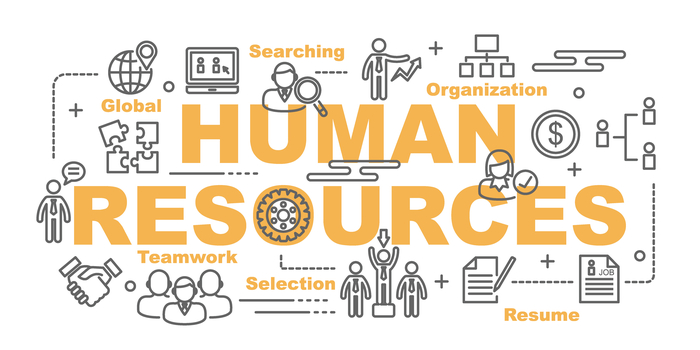
A Human Resource (HR) Manager is a professional who oversees the HR department of an organization and is responsible for managing employee relations, recruitment, training and development, performance management, compensation and benefits, compliance with employment laws, and other HR-related functions.
How to become Human Resource Manager?
To become a Human Resource (HR) Manager, you typically need to follow these steps:
- Obtain a Bachelor’s Degree: Most HR Manager positions require a Bachelor’s degree in Human Resources, Business Administration, or a related field.
- Gain Work Experience: Many HR Manager positions require several years of work experience in HR or a related field. Entry-level HR positions, such as HR Coordinator or HR Generalist.
- Consider Certification: Professional certification can demonstrate your knowledge and expertise in the field. The two most widely recognized certifications for HR professionals are the Professional.
- Develop Key Skills: HR Managers need a range of skills, HRM, including communication, problem-solving, decision-making, and leadership skills.
- Network: Building a network of contacts in the HR field can help you learn about job opportunities and stay up-to-date on industry trends.
Eligibility
The eligibility criteria for becoming a Human Resource (HR) Manager typically include the following:
- Education: A Bachelor’s degree in Human Resources, Business Administration, or a related field is usually required.
- Work Experience: Many HR Manager positions require several years of work experience in HR or a related field. Entry-level HR positions, such as HR Coordinator or HR Generalist, can provide a path to gaining this experience.
- Skills: HR Managers need a range of skills, including communication, problem-solving, decision-making, and leadership skills.
- Certification: While not always required, professional certification can demonstrate your knowledge and expertise in the field.
Benefits of Becoming a Human Resource Manager
Becoming a Human Resource (HR) Manager can offer several benefits, including:
- Job Stability: HR is a crucial function in every organization, and HR Managers are in high demand across industries. This means that HR Manager positions can offer job stability and long-term career growth.
- Competitive Salary: HR Manager positions typically offer competitive salaries, which can increase with experience and seniority. According to Payscale, the average salary for an HR Manager.
- Career Advancement: HR Manager positions can provide a clear path for career advancement, with opportunities to move into higher-level HR positions such as Director of HR or Chief Human Resource Officer.
- Diverse Responsibilities: HR Managers have a diverse range of responsibilities, including recruitment, employee relations, training and development.
- Impactful Work: HR Managers play a crucial role in shaping an organization’s culture and ensuring that it has the talent and resources it needs to achieve its goals.
Roles and Responsibility of Human Resource Manager
- Recruitment and Hiring: HR Managers are responsible for identifying staffing needs, developing job descriptions, posting job openings, reviewing resumes and applications.
- Employee Relations: HR Managers are responsible for managing employee relations, which can include resolving conflicts, addressing complaints.
- Training and Development: HR Managers are responsible for developing and implementing employee training and development programs to help employees.
- Performance Management: HR Managers are responsible for developing and implementing performance management programs.
- Compensation and Benefits: HR Managers are responsible for managing employee compensation and benefits, which can include developing compensation structure.

Jobs and Salary of Human Resource Manager
| Job Title | Average Salary (per year) |
| Human Resource Manager | INR 806,000 |
| Senior Human Resource Manager | INR 1,379,000 |
| Assistant Manager – HR | INR 585,000 |
| Manager – Talent Acquisition | INR 1,028,000 |
| Manager – Learning and Development | INR 1,225,000 |
FAQs
Q: What are the necessary skills to become an HR Manager?
A: Some necessary skills for HR Managers include communication skills, problem-solving skills, critical thinking, attention to detail, leadership skills, ability to multitask, and knowledge of employment laws and regulations.
Q: What educational qualifications are required to become an HR Manager?
A: Generally, a bachelor’s degree in human resources, business administration, or a related field is required to become an HR Manager.
Q: What industries commonly employ HR Managers?
A: HR Managers can work in almost any industry, including manufacturing, healthcare, education, hospitality, technology, and finance.
Q: What are some challenges HR Managers face?
A: HR Managers may face challenges such as managing employee conflicts, addressing employee grievances, ensuring compliance with employment laws and regulations.
Q: What is the career path for an HR Manager?
A: HR Managers can advance their careers by taking on more senior-level HR positions, such as Director of HR or Chief Human Resource Officer.