
Fashion Design Course Overview

Fashion design course is a creative and artistic process of conceiving and creating clothing, accessories, and footwear that are visually appealing, functional, and reflective of the designer’s unique vision and style. Fashion designers are individuals with a keen eye for aesthetics, a deep understanding of fabrics and materials, and a passion for innovation and self–expression. They play a significant role in shaping the fashion industry and influencing trends that define different eras and cultures.
Key Highlight
| Aspect | Description |
| Definition | Creative and artistic process of conceiving and creating clothing, accessories, and footwear. |
| Inspirations | Drawn from art, nature, history, culture, and current events. |
| Sketching | Translating ideas into sketches for visualizing concepts. |
| Fabric Selection | Choosing appropriate fabrics for texture and aesthetics. |
| Pattern Making | Creating templates for garment construction. |
| Garment Construction | Assembling fabric pieces to create the desired silhouette. |
Fashion design course
Eligibility criteria for pursuing a career in fashion design can vary depending on the educational institution and the level of study (e.g., undergraduate or postgraduate). However, in general, the following are the common eligibility requirements for aspiring fashion designers:
Educational Qualifications:
- Portfolio: Many fashion design programs require applicants to submit a portfolio showcasing their artistic and creative abilities. The portfolio should include sketches, drawings, and examples of past design work that demonstrate the applicant’s talent and potential in fashion design.
- English Language Proficiency: For international students or in programs conducted in English, a minimum score in English language proficiency tests like IELTS or TOEFL might be required.
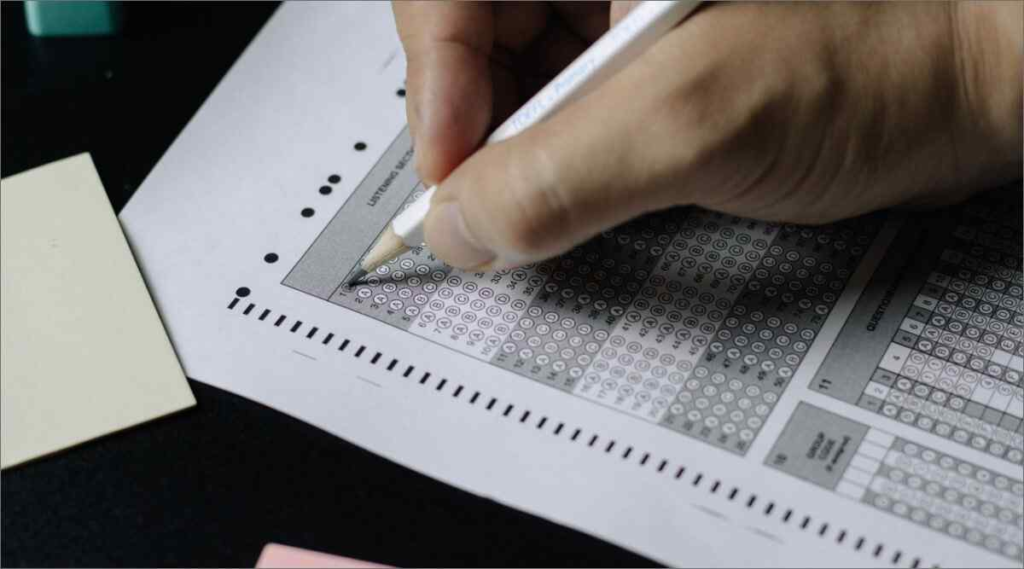
- Entrance Examinations: Some fashion design institutions conduct entrance exams or interviews to assess the aptitude and passion of candidates for fashion design.
- Personal Statement or Statement of Purpose: Applicants may be required to submit a written statement explaining their interest in fashion design and their career goals.
- Internship or Work Experience: Some institutions may consider work experience or internships in the fashion industry as an added advantage during the application process.
Fashion Design: Admission Process
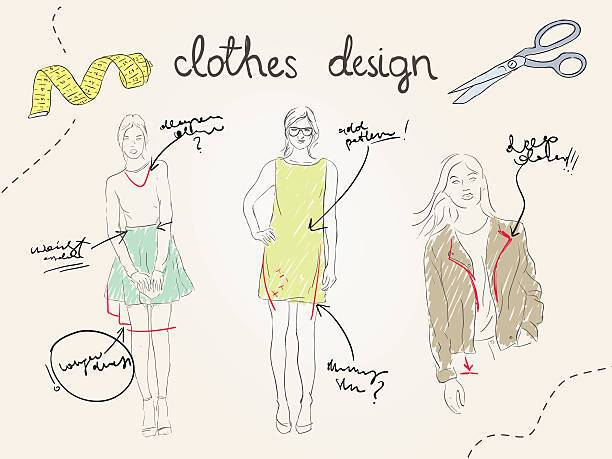
The process can vary depending on the educational institution and the level of study (e.g., undergraduate or postgraduate). Here is a general overview of the admission process for fashion design programs:
- Research and Selection of Institutes: Aspiring fashion designers should research different educational institutions that offer fashion design programs. They should consider factors such as the program’s curriculum, faculty expertise, facilities, reputation, and location.
- Application Form: Candidates need to fill out the application form provided by the institute of their choice. The form typically includes personal information, educational background, work experience (if any), and details about the program they wish to apply for.
- Portfolio Submission: One of the most critical aspects of the admission process is the portfolio submission. Candidates are required to prepare a portfolio showcasing their artistic skills, creativity, and design projects. The portfolio may include drawings, sketches, illustrations, photographs of garments, and any other relevant creative work.
- Entrance Examination/Interview: Many fashion design institutes conduct entrance examinations or interviews to assess the candidate’s aptitude, creativity, and passion for fashion design. The examination may include drawing tests, design challenges.
- Statement of Purpose (SOP): Some institutes may require candidates to submit a written Statement of Purpose (SOP) or Personal Statement. In the SOP, candidates are expected to explain their interest in fashion design, their background, and why they wish to pursue the specific program.
Fashion Design: Entrance Exams
Fashion Design: Why Study?
Studying fashion design offers a wide range of opportunities and benefits that make it an appealing field for aspiring designers. Here are some compelling reasons to consider studying fashion design:
- Cultivate Creativity: Fashion design is a platform for artistic expression and creativity. Through studying fashion design, individuals can develop their artistic skills.
- Learn the Craft: Fashion design programs provide comprehensive training in various aspects of the fashion industry. Students learn about garment construction.
- Explore Trend Forecasting: Fashion design programs often include courses on trend forecasting, enabling students to understand consumer behavior.
- Professional Development: Fashion design institutes offer a conducive environment for professional growth. Students receive guidance from experienced faculty.
- Embrace Innovation: Fashion is an ever-changing industry, and studying fashion design allows individuals to stay at the forefront of innovation.
Fashion Design: Job and Salary
Post Graduate Diploma in Fashion Designing: Recommended Books
Some of the important reference books are mentioned below:
| Name of the Books | Authors |
| Patternmaking for fashion design fifth edition | Helen Joseph Armstrong |
| Fashion flats and Technical drawing | Bina Abling and Felice Docosta |
| The ancient world | Alex woolf |
| Complete book of curtains, Drapes and blinds | Wendy Baker |
| Painting, stamping, stenciling and embossing fabric | sandy Scrivano |
Fashion Design: Future Scope
Here are some key aspects of the future scope in fashion design:
- Sustainability and Ethical Fashion: With a growing awareness of environmental issues, there is an increasing demand for sustainable and ethically produced fashion.
- Technology Integration: Technology is transforming the fashion industry, with advancements in 3D printing, virtual reality, and artificial intelligence. Fashion designers who are well-versed in these technologies.
- Personalization and Customization: Consumers are seeking unique and personalized fashion experiences.
- E-commerce and Digital Platforms: The rise of e-commerce and digital platforms has opened up new avenues for fashion designers to reach a global audience.
- Sustainable Fashion Start-ups: The fashion industry is witnessing a rise in sustainable fashion start-ups that focus on ethical practices, transparency, and social impact.
FAQs
Q1: What is fashion design?
A1: Fashion design is a creative and artistic process of conceiving and creating clothing, accessories, and footwear that are visually appealing, functional, and reflective of the designer’s unique vision and style.
Q2: What skills are required to become a successful fashion designer?
A2: To become a successful fashion designer, one needs a combination of artistic skills, creativity, knowledge of fabrics and textiles, proficiency in pattern making, garment construction, and sewing, as well as an understanding of the fashion industry, market trends.
Q3: What are the educational requirements for pursuing a career in fashion design?
A3: Educational requirements for fashion design vary, but most aspiring designers pursue a Bachelor’s degree in Fashion Design or a related field. Some may also opt for Master’s programs to further specialize in specific areas of fashion design.
Q4: What is a fashion design portfolio, and why is it important?
A4: A fashion design portfolio is a collection of an individual’s best design work, including sketches, illustrations, photographs of garments, and other creative projects. It is crucial for aspiring designers during the admission or hiring process.
Q5: What career opportunities are available in fashion design?
A5: Fashion design offers a wide range of career opportunities, including working as a fashion designer for a fashion house or a brand, textile designer, fashion illustrator, fashion stylist, fashion merchandiser, pattern maker, apparel production manager, and more.