

What Are IT Courses?
IT courses are educational programs designed to teach the fundamentals and advanced concepts of Information Technology. These courses cover areas such as computer systems, programming, networking, cybersecurity, databases, cloud computing, and software development. I.T courses are available in certificate, diploma, and degree formats, helping students and professionals gain technical knowledge required in today’s digital world. Similar to flexible programs like an online ba, b ed online degree, or correspondence ba, many I.T courses are offered in online and distance learning modes for greater accessibility.
Types of IT Courses for Beginners
Beginners can start with foundational IT courses that build basic technical skills. Common beginner-level I.T courses include:
- Introduction to Computer Science
- Basic Programming (Python, Java, C++)
- Web Development Fundamentals
- Data Analytics Basics
- Networking Essentials
- Cybersecurity Fundamentals
- Cloud Computing Introduction
These courses focus on core concepts and practical training, making them suitable for students starting their IT journey.
Why Are IT Courses Important?
I.T courses are important because technology plays a central role in almost every industry. Organizations rely on IT professionals to manage data, maintain systems, secure networks, and develop software solutions. I.T courses provide structured learning that prepares individuals to handle real-world technical challenges and contribute to digital transformation.
Benefits of IT Courses for Career Growth
I.T courses significantly enhance career growth by:
- Increasing employability in high-demand sectors
- Providing industry-recognized certifications
- Offering competitive salary opportunities
- Enabling career transitions into the technology field
- Supporting continuous skill development
Professionals with IT skills often experience faster career advancement compared to many traditional roles.
Scope of IT Courses in Different Industries
The scope of IT courses extends far beyond the core technology sector. Today, almost every industry depends on digital systems, data management, cybersecurity, and automation. As a result, professionals who complete IT courses find opportunities across multiple domains. Below is an extended explanation of industries that actively require IT professionals
- Healthcare: Hospitals and healthcare institutions rely on IT systems for electronic health records (EHR), telemedicine platforms, medical billing software, and data security.
- Banking and Finance: Banks and financial institutions depend on secure IT infrastructure for online banking, mobile applications, digital transactions, fraud detection systems.
- Education: Educational institutions use IT for online learning platforms, student information systems, digital classrooms, and examination management software.
- E-commerce: Online shopping platforms require IT professionals for website development, payment gateway integration, inventory management systems.
- Manufacturing: Manufacturing industries use IT for automation, robotics, supply chain management systems, and production monitoring software.
- Government: Governments depend on IT for digital services, online portals, e-governance platforms, cybersecurity infrastructure, and public data management systems.
This wide applicability makes I.T courses highly versatile and valuable.

Key Skills You Gain from IT Courses
By enrolling in I.T courses, learners develop essential technical and professional skills such as:
- Programming and coding
- Database management
- Network configuration
- Cybersecurity awareness
- Problem-solving and analytical thinking
- Cloud platform management
- Software testing and debugging
These skills form the foundation for advanced IT roles.
Career Opportunities After Completing IT Courses
After completing I.T courses, individuals can pursue roles such as:
- Software Developer
- Web Developer
- Data Analyst
- Cybersecurity Analyst
- Network Administrator
- Cloud Engineer
- IT Support Specialist
With experience and specialization, professionals can move into senior or managerial positions.
Online vs Offline IT Courses
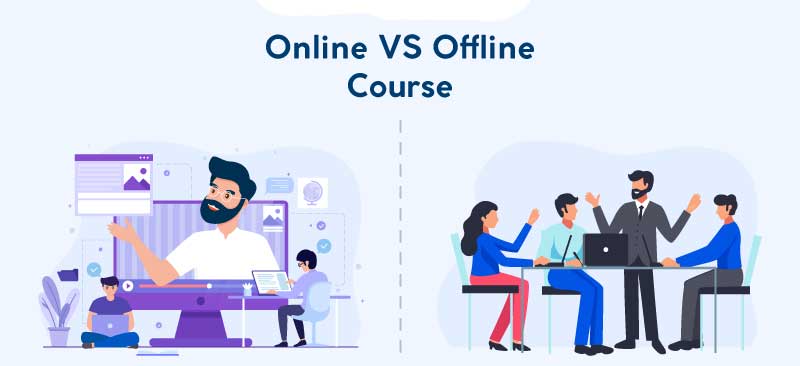
I.T courses are available in both online and offline formats. Online I.T courses provide flexibility, self-paced learning, and accessibility similar to an online ba or correspondence ba. Offline courses offer classroom interaction, direct faculty guidance, and structured schedules. The choice depends on individual learning preferences and availability.
IT Courses for Working Professionals
Working professionals can benefit from short-term IT certification programs that allow skill enhancement without interrupting their careers. Many online I.T courses offer weekend batches, recorded sessions, and flexible schedules. Professionals pursuing programs like a b ed online degree or online ba can also add IT certifications to improve digital and technical competencies.
Future Scope of IT Courses
The future scope of I.T courses is strong due to rapid technological advancements in Artificial Intelligence, Machine Learning, Cloud Computing, Blockchain, and Cybersecurity. As businesses continue to digitize operations, the demand for skilled IT professionals will continue to grow. I.T courses provide a stable and future-ready career pathway in the evolving digital economy.
1. What is the scope of IT courses ?
The scope of IT courses is very broad. IT skills are required in industries such as healthcare, banking, education, retail, government, and manufacturing.
2. Are IT courses useful outside the technology sector ?
Yes, IT courses are useful in many non-technical sectors because most industries rely on digital systems and data management.
3. Which industries hire IT professionals ?
Industries like healthcare, finance, e-commerce, education, telecommunications, logistics, and government organizations hire IT professionals.
4. Can IT courses help in getting a government job ?
Yes, many government departments require IT professionals to manage digital services, cybersecurity, and online portals.
5. Is the demand for IT professionals increasing ?
Yes, as businesses continue to adopt digital technologies, the demand for skilled IT professionals is steadily increasing across industries.