
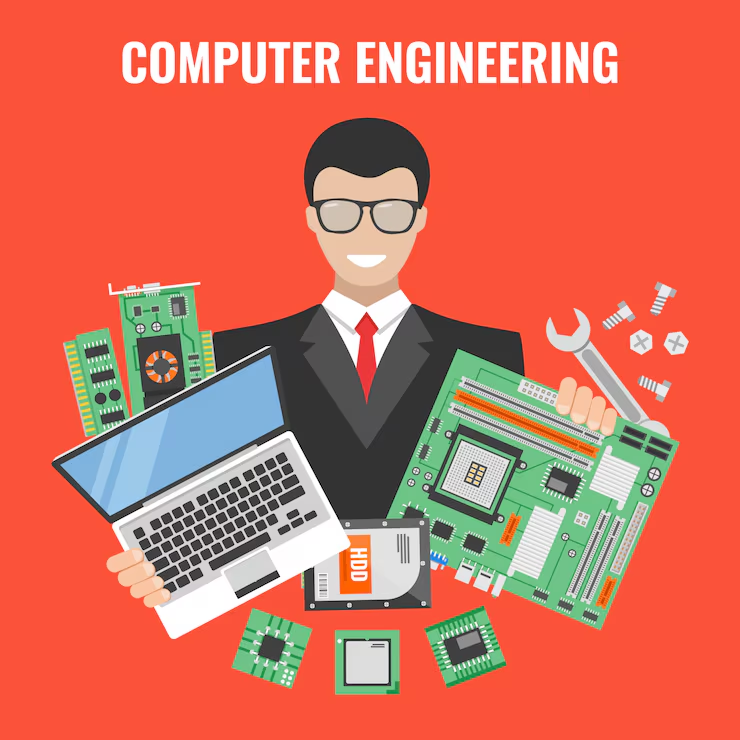
What is Computer Engineer?
Computer engineering is a discipline that combines elements of electrical engineering and computer science to design, develop, and maintain computer systems and their components. They are involved in the hardware and software aspects of computer systems, ranging from the design and development of computer chips and circuit boards to the creation of software applications and systems.
It plays a vital role in advancing technology and enabling various computing devices and systems to function effectively. They possess a strong foundation in both electrical engineering and, allowing them to work at the intersection of hardware and software.
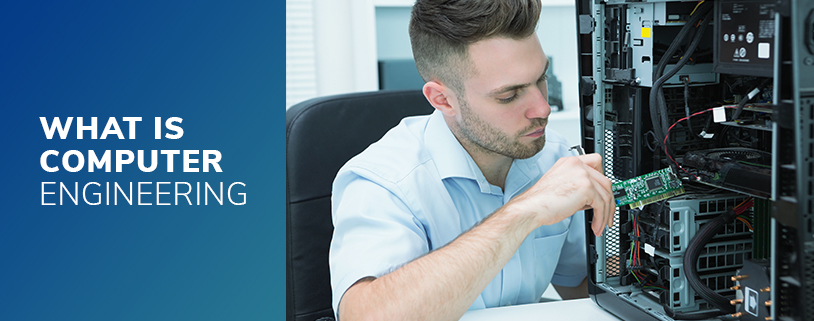
Key Responsibilities
- Hardware Design: Computer engineers are involved in the design and development of computer hardware components, such as processors, memory systems, input/output devices, circuit boards, and computer architecture.
- Software Development: It also engage in software development, including writing code and designing algorithms for software applications and systems.
- Computer Networks: It is a design and configure computer networks, including local area networks (LANs) and wide area networks (WANs).
- Embedded Systems: They develop and program embedded systems, which are computer systems integrated into other devices or machines.
- Computer Architecture: They are involved in the design and analysis of computer architectures, including the organization of hardware components and the development of instruction set architectures (ISAs).
How to become Computer Engineer?
You can follow these general steps:
- Obtain a high school diploma or equivalent: Complete your high school education with a focus on mathematics and science subjects, as they form the foundation.
- Earn a bachelor’s degree: Pursue a bachelor’s degree in computer engineering or a related field such as electrical engineering. Look for accredited programs that offer courses in computer hardware, software, programming, and digital systems.
- Gain relevant skills and knowledge: Acquire practical skills in programming languages, computer architecture, digital logic design, software development, and operating systems. Stay updated with advancements in the field by self-study, online courses, or joining coding communities.
- Complete internships or gain work experience: Seek internships or part-time positions at companies or organizations that work. This practical experience will enhance your skills and provide valuable industry exposure.
- Obtain certifications (if desired): Consider earning certifications in specific areas such as networking, software development, or security. These certifications can demonstrate your expertise and boost your resume.

Eligibility
To become a computer engineer, you typically need to meet certain eligibility requirements. Here are the general eligibility criteria:
- Educational Qualifications: Most of positions require at least a bachelor’s degree in electrical engineering, or a related field.
- Mathematics and Science Background: Having a strong foundation in mathematics, particularly in areas like calculus, algebra, and discrete mathematics, is essential.
- Programming and Computer Skills: It is crucial to have a solid understanding of programming concepts and languages. Proficiency in languages such as C++, Java, Python, or others commonly used in the field is highly valuable.
- Problem-Solving and Analytical Skills: Computer engineers need strong problem-solving and analytical abilities to identify and resolve complex technical issues.
- Communication and Teamwork Skills: Effective communication skills, both written and verbal, are important for collaborating with colleagues, presenting ideas, and documenting projects.
Benefits of Becoming a Computer Engineer
- High demand and job opportunities: It is a rapidly growing field with a high demand for skilled professionals. As technology continues to advance, there is a constant need for computer engineers in various industries.
- Lucrative salaries: It often enjoy competitive salaries and attractive compensation packages. Due to the demand for their skills and expertise, they are typically well-remunerated for their work.
- Diverse career paths: Computer engineering offers a wide range of career paths and opportunities for specialization. You can choose to focus on areas such as software development.
- Continuous learning and innovation: It is an ever-evolving field characterized by rapid technological advancements.
- Impact and problem-solving: Computer engineers have the power to make a significant impact on society. They develop solutions to complex problems.

Jobs and Salary of Computer Engineer
| Job Title | Average Salary (INR) |
| Software Engineer | 5,00,000 – 20,00,000 |
| Systems Engineer | 4,00,000 – 15,00,000 |
| Network Engineer | 4,00,000 – 15,00,000 |
| Embedded Systems Engineer | 5,00,000 – 20,00,000 |
| Hardware Engineer | 4,00,000 – 15,00,000 |
FAQs
Q: What is computer engineering?
A: this a discipline that combines elements of electrical engineering and computer science. It focuses on the design, development, and maintenance of computer hardware, software, and digital systems.
Q: What is the difference between computer engineering?
A: While both fields are related, it is more hardware-focused, dealing with the design and development of computer systems, circuits, and components.
Q: What career opportunities are available for computer engineers?
A: They can pursue careers as software engineers, hardware engineers, network engineers, systems analysts, cybersecurity specialists, data engineers.
Q: What industries can computer engineers work in?
A: They are in demand across various industries, including technology, telecommunications, automotive, aerospace, healthcare, finance, manufacturing, and entertainment.