
For engineering graduates, the idea of pursuing an MBA after completing their B.Tech or BE degree may appear puzzling due to the apparent disparity between technical and corporate domains. Nevertheless, opting for an MBA after engineering offers an array of benefits as it provides individuals with a versatile skill set and unlocks diverse career opportunities. Can i do mba after btech Let‘s explore the advantages of combining an MBA with an engineering background, the available specializations, and the promising career prospects it presents!
Why Pursue an MBA after Engineering?
Pursuing an MBA (Master of Business Administration) after engineering can be a strategic and beneficial choice for various reasons. Here are some of the key reasons why engineers might consider pursuing an MBA:
- Diversification of Skills: Engineers often have strong technical skills, but an MBA can complement their knowledge with managerial and business skills. Can i do mba after btech This combination of technical and business expertise makes them versatile and valuable assets in the corporate world.
- Career Advancement: An MBA can open up new career opportunities and fast-track career progression. Many managerial and leadership roles in organizations require a solid understanding of business principles, finance, marketing, and strategy, which an MBA can provide.
- Entrepreneurship: For engineers looking to start their own ventures, an MBA can offer essential insights into business planning, marketing, finance, and management. It equips them with the necessary skills to navigate the complexities of running a successful business.
- Networking: MBA programs often attract students from diverse backgrounds and industries, providing an excellent opportunity for engineers to build a strong professional network. Networking with like-minded individuals and business professionals can lead to valuable connections and potential career opportunities.
- Business Perspective: Engineering education primarily focuses on technical problem-solving, whereas an MBA offers a broader perspective on how businesses operate. Engineers with an MBA can contribute to a company’s success by understanding the bigger picture and making informed decisions that align with both technical and business objectives.
5 Benefits of MBA after Engineering

Certainly! Here are five benefits of pursuing an MBA after engineering:
- Enhanced Business Acumen: An MBA program provides engineers with a comprehensive understanding of business concepts, management principles, finance, marketing, operations, and strategic decision-making.
- Career Diversification: An MBA opens up a wide range of career opportunities beyond traditional engineering roles. Engineers with an MBA can transition into various managerial positions, such as project management, product management, operations management, consulting, and business development.
- Leadership and Management Skills: MBA programs focus on developing leadership and management skills, which are crucial for professionals aspiring to lead teams and projects.
- Entrepreneurial Skills: For engineers interested in entrepreneurship, an MBA can be invaluable. It helps them understand business planning, market research, financial analysis.
- Networking Opportunities: MBA programs offer an excellent platform for networking with industry professionals, fellow students, alumni, and faculty members. ba after btech These networking opportunities can lead to valuable connections, potential job opportunities.
Best MBA Specializations for Engineers

| MBA Specialization | Description |
| MBA in Operations Management | Focuses on efficient management of production and operations in manufacturing and service industries. It covers supply chain management, quality control, logistics, and process optimization. |
| MBA in Project Management | Equips engineers with skills to plan, execute, and control projects effectively. It covers project scheduling, risk management, budgeting, and team leadership. |
| MBA in Finance | Provides a strong foundation in financial analysis, investment management, and corporate finance. Engineers with this specialization can work in finance-related roles within engineering and technology companies. |
| MBA in Entrepreneurship | Focuses on starting, managing, and growing a business. Engineers with entrepreneurial aspirations can learn about business planning, funding, and market entry strategies. |
| MBA in Marketing | Covers marketing strategies, market research, product development, and branding. Engineers can apply their technical background to market technology products effectively. |
| MBA in International Business | Prepares engineers to work in global markets and navigate international business environments. It covers international trade, cross-cultural management, and global strategy. |
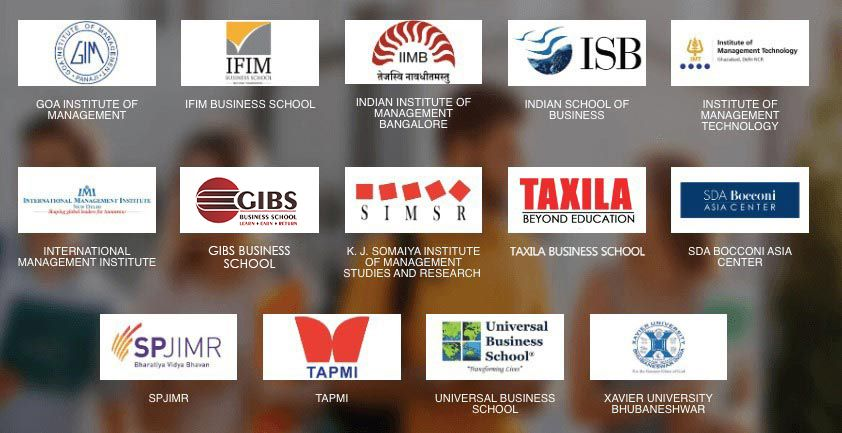
Top Business Schools to Pursue MBA
Eligibility Criteria for MBA after Engineering
Eligibility criteria for pursuing an MBA after engineering may vary depending on the specific business school or university you are applying to. However, there are some common requirements that most MBA programs look for:
- Educational Background: A bachelor’s degree in engineering from a recognized university or institution is typically required. Most business schools accept engineers from various disciplines, such as mechanical engineering, computer science, electrical engineering, civil engineering, etc.
- Work Experience: Many MBA programs prefer candidates with some work experience after completing their engineering degree. The required work experience may range from 1 to 3 years, depending on the business school and the specific MBA program. Some schools also offer MBA programs for fresh engineering graduates without any work experience.
- Entrance Exam: In India, most MBA programs require candidates to take entrance exams like CAT (Common Admission Test) or GMAT (Graduate Management Admission Test). These exams assess candidates’ quantitative aptitude, verbal ability, reasoning skills, and general awareness.
- Minimum GPA/GMAT Score: Business schools may set a minimum GPA (Grade Point Average) requirement for engineering graduates, or they may require a specific GMAT score. The minimum GPA or GMAT score can vary from school to school.
- Statement of Purpose (SOP) or Personal Statement: MBA applications usually require candidates to write a statement of purpose or a personal statement. This document allows applicants to express their career goals, aspirations, and reasons for pursuing an MBA after engineering.
Application Process for MBA after Engineering
The application process for MBA programs after engineering typically involves several steps. Here’s a general outline of the process:
- Research MBA Programs: Start by researching various MBA programs offered by different business schools. Look for schools that align with your career goals, interests, and location preferences. Consider factors such as program curriculum, faculty, specialization options, rankings, and alumni network.
- Entrance Exam: In India, most MBA programs require candidates to take the Common Admission Test (CAT), which is conducted annually. Some schools may also accept Graduate Management Admission Test (GMAT) scores. Register for the relevant entrance exam and prepare for it diligently.
- Gather Required Documents: Prepare all necessary documents, which may include your academic transcripts, mark sheets, degree certificate, entrance exam scorecard, work experience certificates (if applicable), letters of recommendation, and statement of purpose (SOP) or personal statement.
- Work Experience (if applicable): If the MBA program requires work experience, ensure you have the necessary number of years of work experience before applying.
- Shortlist Business Schools: Based on your research, shortlist the business schools where you want to apply. Consider applying to a mix of aspirational schools, target schools, and safety schools based on your profile and entrance exam score.
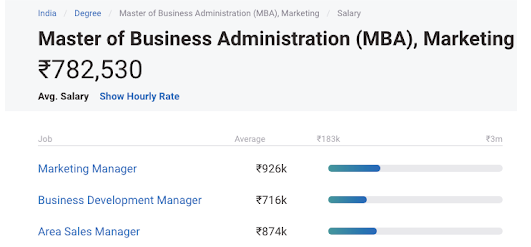
Top Job Profiles and Salary
| Job Profile | Salary Range (INR per annum) |
| Software Engineer | 4,00,000 – 12,00,000 |
| Data Scientist | 6,00,000 – 18,00,000 |
| Business Analyst | 4,00,000 – 12,00,000 |
| Product Manager | 8,00,000 – 20,00,000 |
| Marketing Manager | 6,00,000 – 15,00,000 |
| Financial Analyst | 4,00,000 – 10,00,000 |
| Human Resources Manager | 6,00,000 – 15,00,000 |
| Operations Manager | 6,00,000 – 18,00,000 |
FAQs
Why should I consider pursuing an MBA after engineering?
Pursuing an MBA after engineering can open up new career opportunities and help you develop a broader skill set. It can prepare you for leadership roles, entrepreneurship, and management positions in various industries.
What are the eligibility criteria for MBA programs after engineering?
The eligibility criteria for MBA programs after engineering typically include a bachelor’s degree in engineering from a recognized university or institution. Some MBA programs may also require a minimum score in entrance exams like CAT, GMAT, or others
Can I pursue an MBA in any specialization after engineering?
Yes, you can pursue an MBA in various specializations after engineering. Some common specializations include operations management, finance, marketing, entrepreneurship, technology management, and data analytics.
Will my engineering background be an advantage in an MBA program?
Yes, your engineering background can be an advantage in an MBA program. It brings a unique perspective to problem-solving and analytical thinking.
Do I need work experience before pursuing an MBA after engineering?
Work experience requirements vary among MBA programs. Some schools prefer candidates with work experience, typically ranging from 1 to 3 years.